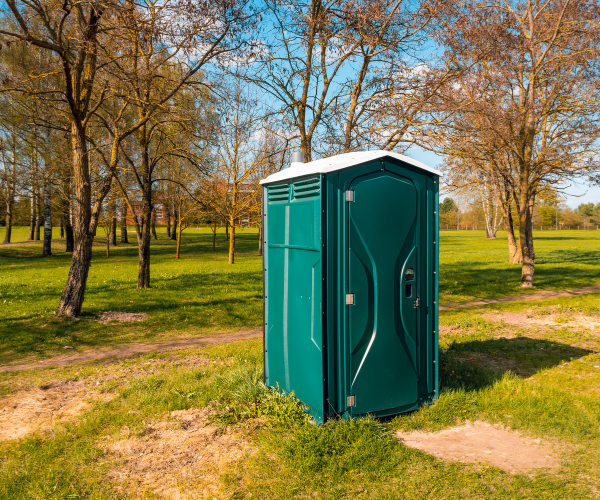
Portable toilets present several eco-friendly advantages that support sustainability. One of the key benefits is their ability to conserve water compared to traditional flush toilets. Portable toilets require no water for flushing, thereby saving thousands of gallons each year. Additionally, these units are often constructed with recycled and sustainable materials, reducing the environmental impact associated with their production. The sanitation process in portable toilets uses biodegradable chemicals which break down waste more naturally, making them an environmentally responsible choice. By minimizing water usage and utilizing sustainable materials, portable toilets significantly reduce their carbon footprint.Furthermore, portable toilets are essential for managing large events and construction sites, where traditional plumbing may not be feasible. They help in maintaining hygiene and preventing pollution, as they contain all waste within a closed system. Regular servicing and waste management practices ensure that waste is correctly disposed of, further supporting environmental preservation efforts. Portable toilets contribute to the sustainability goals of both businesses and individuals by offering a responsible sanitation solution.Choosing portable toilets also supports local environmental initiatives as companies in this industry often work to improve community sustainability. Many service providers implement green practices in their operations, from utilizing fuel-efficient vehicles for delivery and pick-up to recycling waste products safely and effectively. Employing portable toilets for outdoor and remote activities prevents soil and water contamination, protecting local ecosystems. Altogether, portable toilets are not only practical for immediate sanitation needs but also align with broader environmental sustainability objectives, offering a practical avenue for reducing ecological footprints in diverse settings.
Portable Toilet Rentals in Laurel Park, North Carolina
Call today for a free quote (828) 576-3285
Portable Toilet
Fast, Easy, & 100% Free To Get Started
Over 20 Years of Service
With over 20 years of experience, our company has been a community staple in Laurel Park, known for delivering quality and reliability. We are dedicated to providing superior customer satisfaction with every portable toilet rental.
Exceptional Quality Service
We meticulously maintain every portable toilet to ensure it is always ready for use, emphasizing cleanliness and dependability. Our commitment to quality service guarantees a seamless customer experience.
Prompt and Efficient Delivery
Our service team in Laurel Park delivers portable toilets swiftly, ensuring they arrive exactly when and where you need them. We focus on precision and timely service, meeting the needs of every client.
Reliable Portable Toilet Services in Laurel Park
Call for a Free Quote Today
(828) 576-3285
Located in the heart of Laurel Park, we are your go-to source for dependable and reliable portable toilet services. As a locally owned company, we pride ourselves on offering top-notch products and services to our clients. Whether you're hosting a wedding, organizing a festival, or managing a construction site, we've got the perfect solution for you in Laurel Park and surrounding areas. Our commitment to excellence ensures that our units meet the highest standards of cleanliness and functionality. From small gatherings to large events, trust us to deliver exceptional services that enhance your guests' comfort and convenience.
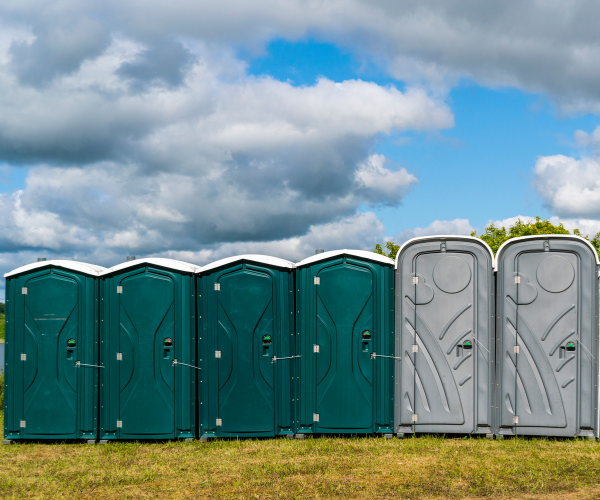
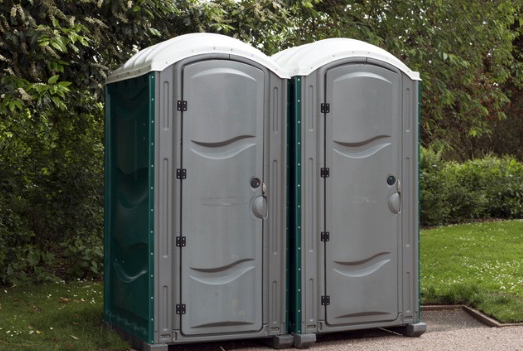
Our standard porta john rental units are durable and reliable for any commercial build site, housing development, public works project, or remodel job.Features include dome lighting, grated floors, and an “In-Use” locking mechanism for privacy and comfort. Regularly maintained, inspected, and cleaned by FusionSite at your location.
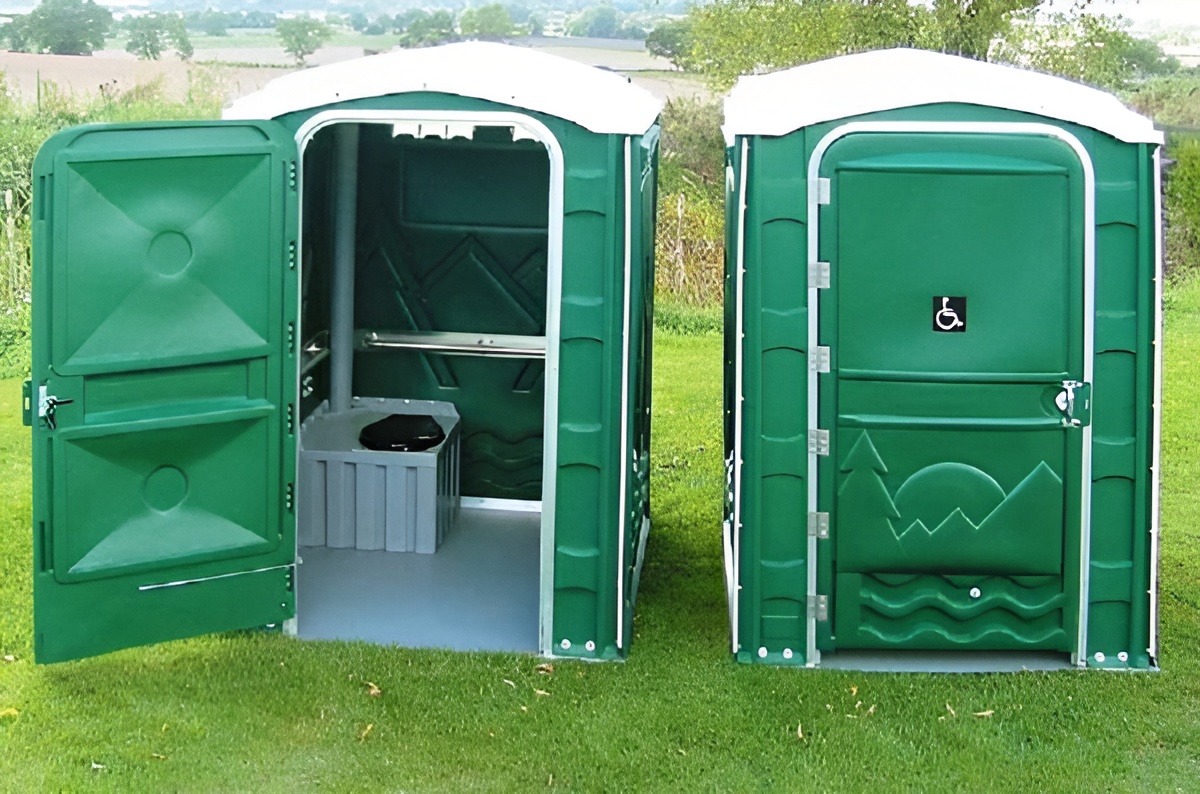
Developed as an alternative to full ADA-compliant restrooms, the Liberty is a spacious, wheelchair-accessible unit that can also be promoted as a family-sized restroom. Includes a patented flat-floor system for easy wheelchair access and maneuverability.Handrails, paper holder, and rotary latch are designed for simple, intuitive end-user operation.
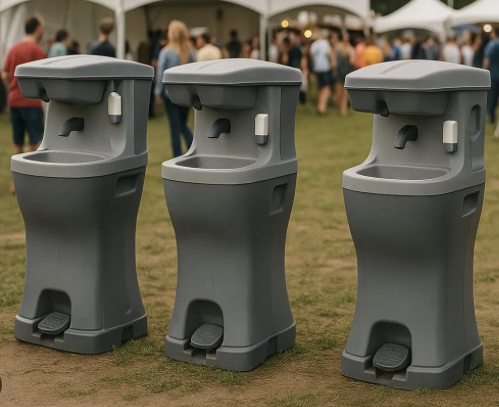
Portable hand washing stations are essential for keeping your work site sanitary and clean. Features hands-free foot pumps, liquid soap, and paper towels.Perfect for job sites without water hookups, these units can handle hundreds of washes between services.
We Proudly Serve
Standard Portable Toilets
Our standard portable toilets are designed for comfort and convenience, available throughout Griffin Waste in North Carolina.
High Rise Portable Toilets
High-rise portable toilets provide safety and sanitation for construction projects in Laurel Park, North Carolina.
Restroom Trailers
Experience comfort and luxury with our premium restroom trailers available for any occasion with Griffin Waste in Laurel Park.
Roll off Dumpsters
Griffin Waste's roll-off dumpsters in Laurel Park offer reliable waste management for both residential and commercial projects.
Septic Tank Cleaning
Ensure efficient waste processing with our septic tank cleaning services at Griffin Waste in North Carolina.
Grease Trap Cleaning
Our grease trap cleaning service in Laurel Park, North Carolina, maintains your systems for optimal performance.
Fencing & Barricades
Depend on Griffin Waste for high-quality fencing and barricade solutions across North Carolina.
Residential Storage
Secure your valuables with our reliable residential storage solutions available in Laurel Park, North Carolina.
Laurel Park Portable Toilet and Event Rentals
Requesting a quote and arranging delivery for a portable toilet in Laurel Park is incredibly straightforward. Our user-friendly online form is available at the top and bottom of every page, making it easy to provide your contact details and request a quote. Simply enter your first name, last name, phone number, and email address to initiate the process. Our dedicated team is on standby to assist, ensuring that every inquiry is promptly addressed. You'll find that our delivery service is both convenient and reliable, allowing for seamless coordination and timely setup at your specified location. Whether it's for a large event or a small gathering, we manage logistics efficiently, keeping customer satisfaction at the forefront of our operations.
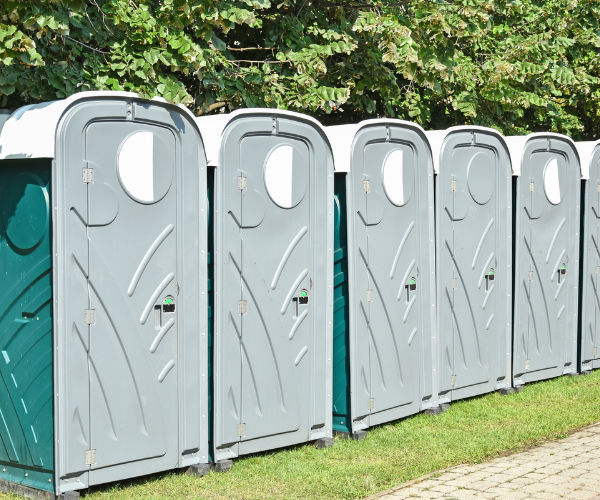
Discover the charm of Laurel Park, North Carolina, a place celebrated for its lush surroundings near Jump Off Rock and local events like the Music at Jump Off Rock concert series, and our commitment to enhancing your outdoor experiences with top-notch portable toilet services. Whether it's for these beloved landmarks, community events, or nature excursions, we provide clean, reliable, and convenient sanitation solutions. Our team understands the unique characteristics of Laurel Park, ensuring that every portable toilet blends seamlessly with its surroundings while offering uncompromising functionality. We are proud to be part of the community, contributing to its appeal by maintaining the highest standards in cleanliness and service. Choose us for all your portable toilet needs, whether you're hosting a wedding, festival, or corporate event. Our localized approach ensures that you receive personalized service tailored to the specific needs of your event, solidifying our reputation as the top choice in the area.
Our reputation as the best choice in Laurel Park stems from our unwavering commitment to quality and community. We take pride in understanding the area's nuances, customizing our services to meet the specific needs of its residents and events.Our dedication goes beyond service; it's about building lasting relationships with our customers through exceptional service and remarkable results. With our portable toilets, expect reliability, ease, and the local charm that adds a memorable touch to any event.
We promise quick and dependable portable toilet services to Laurel Park and its surrounding areas. Our efficient logistics guarantee that every unit reaches its destination promptly, ready to exceed your expectations.Our streamlined methods allow us to deliver timely service without sacrificing quality, letting you concentrate on the core aspects of your event. From the initial planning phase to final execution, we stand by you, providing peace of mind through our prompt deliveries and committed service.
Explore Our Portable Toilet Options in Laurel Park
Renting a portable toilet in Laurel Park is designed to be a straightforward process to accommodate your needs quickly and efficiently. To get started, you can complete our easy-to-navigate form located at both the top and bottom of our webpage. Simply fill out your first name, last name, phone number, and email address, and submit the form for a prompt response. Throughout our website, you'll also find strategically placed 'Get A Quote' buttons which, when clicked, will guide you to initiate the rental process effortlessly. These features are designed for your convenience, ensuring that requesting a quote is hassle-free. Once your inquiry is submitted, our team brings you personalized service, quickly planning the logistics to meet your specific requirements. Depending on your need for a single unit or multiple units for large events, we offer tailored service options to ensure your satisfaction. Special features, such as our 24/7 customer support, ensure you receive timely responses and thorough service. Whether your need is short-term or long-term, you'll find the rental process organized to suit your timeline and event type, providing stress-free accommodations to elevate the sanitation standards of your event.
The delivery timeframe for portable toilet orders typically depends on the location and specific demands of the event. At our company, we prioritize flexibility and swift delivery, ensuring that your portable toilets arrive exactly when you need them. Typically, we advise placing orders at least a week in advance to allow ample time for planning and logistics. However, we understand that last-minute needs may arise, and we strive to accommodate such requests whenever possible. Our team is committed to providing swift service, often managing to deliver within 24 to 48 hours for urgent situations. To maintain this level of efficiency, we streamline our scheduling and logistics processes, ensuring prompt coordination between our team and clients.In cases where larger quantities or specialized units are required, such as ADA-compliant toilets or luxury restroom trailers, a slightly longer lead time might be necessary to ensure availability and proper preparation. It is always beneficial to discuss the specifics of your event with our dedicated representatives, who are equipped to provide detailed timelines based on current demand and event needs.Communication is a cornerstone of our service, and we proactively update clients on the status of their deliveries. Our team will inform you immediately if there are any unforeseen delays, offering alternate solutions and reassurance. By maintaining high standards in communication and logistical efficiency, we guarantee that your portable toilet needs are met seamlessly, contributing to the overall success of your event.
Yes, we are fully equipped to service any type of event or construction services, ensuring comprehensive solutions for various settings. Whether you're organizing a festival, sporting event, wedding, corporate gathering, or a family reunion, we are prepared to cater to your needs with our range of portable toilets, luxury restroom trailers, and other essential services. We understand the unique requirements these diverse events entail and offer portable hand sanitizer stations, portable sinks, and ADA-compliant units to accommodate all guests comfortably. For construction projects, our services extend to providing portable toilets that are sturdy and suitable for long-term use. In addition, we offer essential auxiliary services such as roll-off dumpsters, fencing, and barricades to ensure safety and cleanliness across your site.Our custom solutions are designed to align with the specific demands of any event or construction project, regardless of size or complexity. We collaborate closely with planners and managers to deliver a service package that meets regulatory standards and exceeds expectations. From single-day functions to prolonged construction periods, our flexible rental terms provide practical arrangements to keep everything running smoothly. You can count on our experienced team to manage all sanitation needs, allowing you to focus on your core activities without added stress.