Portable toilets are surprisingly eco-friendly sanitation solutions that offer numerous benefits in terms of environmental conservation. First and foremost, they significantly reduce water usage compared to traditional restrooms. Unlike conventional toilets, which often use multiple gallons of water per flush, portable toilets use chemical solutions and minimal amounts of water to contain waste, thus conserving this precious resource. Additionally, the fact that they are mobile allows for strategic placement in areas lacking permanent restroom facilities, reducing the environmental impact of building permanent structures in sensitive locations. Another ecological advantage lies in their waste disposal methods. Portable toilets are equipped with sealed tanks that prevent leaks and odor, ensuring that waste is contained until it can be safely transported to a local treatment facility. This process prevents direct contamination of the environment, such as soil or water sources, thus protecting local wildlife and ecosystems. In urban settings or during large events, utilizing portable toilets can also reduce the strain on local sewage systems, preventing overflows and reducing the chances of pollution. Companies providing portable bathroom solutions often incorporate sustainability practices, such as using biodegradable cleaning agents and frequently servicing units to ensure their optimal performance and cleanliness. As a result, portable toilets not only meet the immediate needs of users but also support long-term environmental health. Finally, by opting for portable restrooms, businesses and event organizers can demonstrate their commitment to sustainability, showcasing an environmentally conscious image to their clientele and setting a precedent for eco-friendly practices.
Portable Toilet Rentals in South Toe Township, North Carolina
Call today for a free quote (828) 576-3285
Portable Toilet
Fast, Easy, & 100% Free To Get Started
Over 20 Years of Excellence
With over 20 years of experience, Griffin Waste has built strong community ties in South Toe Township. Our commitment to quality ensures that our portable toilets meet your highest expectations, providing you with reliable and locally-focused service.
Quality You Can Trust
Griffin Waste upholds top-tier standards in portable toilet services, ensuring quality. Our meticulously clean and maintained facilities promise satisfaction for every event.
Fast and Dependable Delivery
Experience quick and reliable service with Griffin Waste, where our team ensures timely delivery of portable toilets to meet your event needs. We prioritize efficiency and dependability with each service.
Reliable Portable Toilet Solutions in South Toe Township
Call for a Free Quote Today
(828) 576-3285
In South Toe Township, Griffin Waste provides top-tier portable toilet services that are dependable, reliable, and locally owned. Our dedicated team services not only South Toe Township but also nearby areas, ensuring that your sanitation needs are met with precision and professionalism. Whether you're organizing a construction site, a party, a festival, or a wedding, we have the right solution to match your event's scale and style. We prioritize maintaining clean and well-stocked units that reflect our commitment to quality and customer satisfaction. Our responsive customer service team is ready to assist you with tailored sanitation solutions, reinforcing our credibility as a trusted partner in event planning. As a locally-owned business, we pride ourselves on understanding community needs and delivering exceptional value through our services.
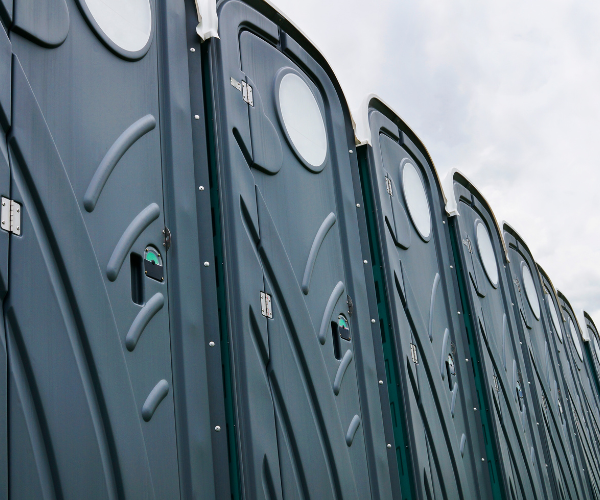
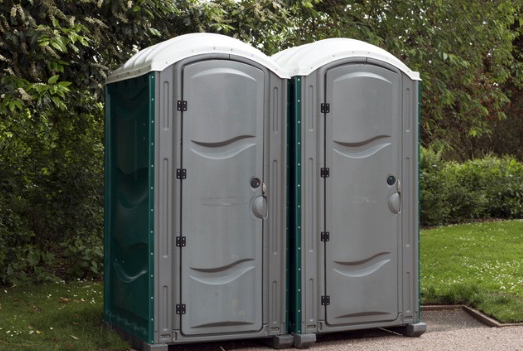
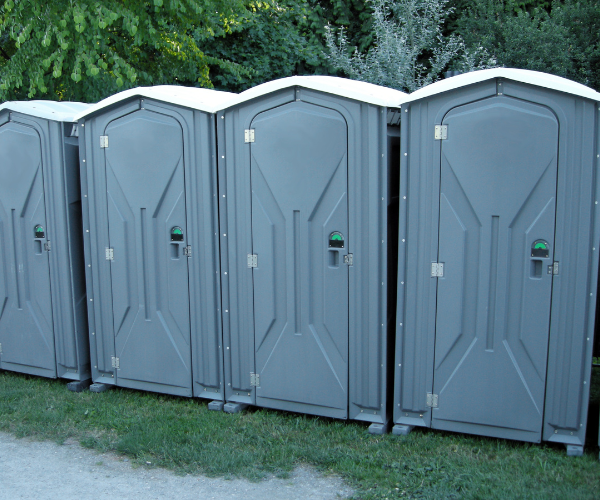
Our standard porta john rental units are durable and reliable for any commercial build site, housing development, public works project, or remodel job.Features include dome lighting, grated floors, and an “In-Use” locking mechanism for privacy and comfort. Regularly maintained, inspected, and cleaned by FusionSite at your location.
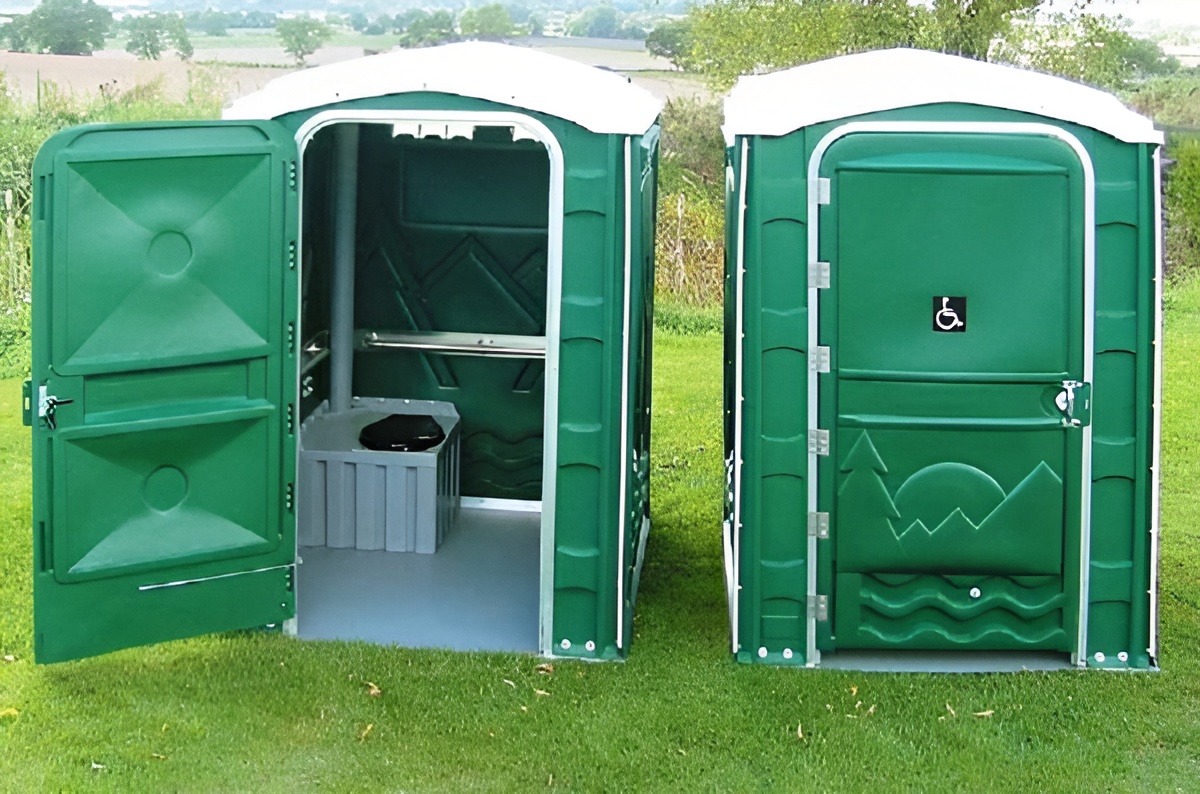
Developed as an alternative to full ADA-compliant restrooms, the Liberty is a spacious, wheelchair-accessible unit that can also be promoted as a family-sized restroom. Includes a patented flat-floor system for easy wheelchair access and maneuverability.Handrails, paper holder, and rotary latch are designed for simple, intuitive end-user operation.
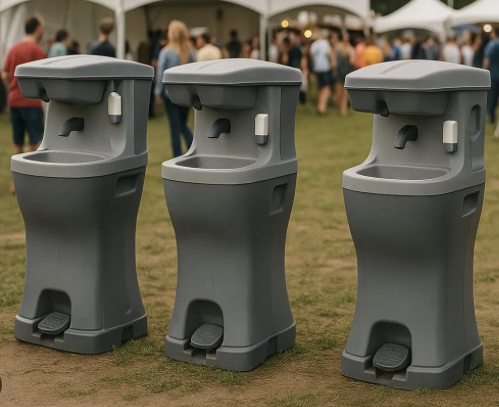
Portable hand washing stations are essential for keeping your work site sanitary and clean. Features hands-free foot pumps, liquid soap, and paper towels.Perfect for job sites without water hookups, these units can handle hundreds of washes between services.
We Proudly Serve
Standard Portable Toilets
Standard Portable Toilets by Griffin Waste provide reliable sanitation solutions throughout North Carolina.
High Rise Portable Toilets
High Rise Portable Toilets in South Toe Township offer safety and convenience in elevated settings.
Restroom Trailers
Griffin Waste's Restroom Trailers in South Toe Township offer a premium sanitation experience with added amenities.
Roll off Dumpsters
Roll off Dumpsters from Griffin Waste in South Toe Township maximize cleanliness and waste management convenience.
Septic Tank Cleaning
Trust Griffin Waste for expert Septic Tank Cleaning services in North Carolina, maintaining optimal sanitation performance.
Grease Trap Cleaning
Keep South Toe Township kitchens running smoothly with Griffin Waste's Grease Trap Cleaning service.
Fencing & Barricades
Fencing & Barricades by Griffin Waste in North Carolina enhance safety and event perimeter security.
Residential Storage
Griffin Waste's Residential Storage service offers secure and spacious solutions in South Toe Township.
South Toe Township Sanitation and Event Solutions
Discovering how easy and convenient it is to acquire a portable toilet quote and ensure timely delivery for your next event has never been simpler. At Griffin Waste, our streamlined process begins with straightforward forms readily accessible on our website. Simply provide your basic information, including your first and last name, phone number, and email, and expect a prompt response from our dedicated team. Our service area covers the picturesque South Toe Township, where we ensure that every event, from intimate gatherings to large community festivals, receives our utmost attention and reliable solutions. We are proud to offer fast, dependable delivery directly to your location, minimizing any logistics planning stress. Customer satisfaction remains at the forefront of our services, ensuring that your event facilities not only meet but exceed expectations. With competitive pricing and a variety of unit sizes and styles, we cater to both modest and large-scale event requirements. You can rely on us to make your sanitation planning an effortless component of successful event execution. The ease of a remote quote and guaranteed swift delivery positions Griffin Waste at the forefront of trusted portable toilet providers.

Experience the Local Advantage Discover the many benefits of choosing Griffin Waste's portable toilet services in South Toe Township. Nestled among the breathtaking landscapes near the iconic Mt. Mitchell, this area is celebrated for its outdoor activities and vibrant annual events. Our top-of-the-line sanitation solutions are perfectly suited to enhance the experience of the Rhododendron Festival at nearby Roan Mountain. Our services are tailored to support local attractions and community gatherings, providing reliable and hygienic facilities for all. Seamless and Reliable Services We understand the unique characteristics of South Toe Township, and our services reflect that insight. Whether you're celebrating the Toe River Studio Tour or hosting an intimate wedding, our portable toilets deliver clean, reliable, and convenient sanitation options that ensure guest satisfaction. Our local presence means we're familiar with the community's needs, allowing us to deliver customized solutions that seamlessly integrate with any event setting.
Your Trusted Sanitation PartnerGriffin Waste shines as the top choice for portable toilet services in South Toe Township. With deep-rooted community connections and a strong commitment to excellence, we have gained the confidence of both residents and businesses. Our broad range of services meets varied needs, ensuring each event benefits from our reliable sanitation solutions.Exceeding Expectations, Every TimeWe excel at surpassing customer expectations by offering superior portable toilets paired with exceptional service. Our team handles everything, from delivery to maintenance, ensuring a seamless and stress-free experience. Choose us for your next event and discover why we lead the industry.
Prompt and Professional ServiceGriffin Waste stands out for its swift and reliable portable toilet services, delivering top quality to the residents and business owners of South Toe Township. We optimize quick response times and streamlined delivery to address the urgent demands of any event or construction site efficiently.Dependability at Its BestWhen every moment counts, rely on Griffin Waste for prompt service that seamlessly integrates with your schedule. Our dedication to dependability allows you to concentrate on what truly matters—whether it's hosting a successful event or finishing a construction project—while we handle the logistics.
Discover Our Portable Toilets in South Toe Township
Renting a portable toilet in South Toe Township is a simple and hassle-free process designed to cater to your convenience. To begin, visitors to our website can easily locate and fill out the necessary forms, positioned conveniently at both the top and bottom of each page. These forms require basic information such as your first name, last name, phone number, and email address. Once submitted, our customer service team will promptly contact you to discuss your specific needs and finalize your rental. In addition to the forms, the 'Get A Quote' buttons scattered throughout the website provide an alternative method for initiating the rental process. Simply clicking one of these buttons directs you to the form, where you can submit your details and receive a personalized quote. This streamlined system ensures that obtaining accurate information and establishing your rental agreement is both quick and efficient. For those who prefer speaking directly with a representative, our contact number is available for immediate assistance, where any inquiries or requests can be handled in real-time. An efficient logistics network further enhances the ease of renting with us, guaranteeing timely delivery and setup of your portable toilets precisely when and where you need them. Griffin Waste remains committed to providing an exceptional rental experience, reflecting our dedication to quality service and customer satisfaction in every interaction.
The delivery timeframe for portable toilet orders can vary based on several factors, including location, demand, and the availability of units. However, at Griffin Waste, we strive to provide prompt and efficient service to ensure your needs are met with minimal delay. Typically, for orders placed within South Toe Township and its surrounding areas, our standard delivery time ranges from 24 to 48 hours from the point of confirmation. During peak seasons or when handling large-scale events, we recommend placing your order as early as possible to secure your units and allow ample time for any specific customization requests you might have. Communication remains a key component of our service strategy; thus, we actively keep our clients informed about the expected delivery timeline and work collaboratively to accommodate any particular scheduling needs. Our well-coordinated logistics team ensures that every delivery is executed seamlessly, with attention to detail in placement to ensure client satisfaction. In cases of an urgent requirement, we offer expedited services, subject to availability, to meet the immediate demands of unexpected situations. Regardless of the timeline, Griffin Waste's commitment to efficiency and client service excellence ensures that you receive high-quality portable toilets exactly when you need them, enabling successful planning and execution of your events or construction projects.
Yes, we can service all types of events and construction services with our comprehensive range of portable sanitation solutions. Our offerings include facilities for festivals, sporting events, weddings, corporate gatherings, family reunions, and any other type of special occasion, ensuring that we meet a wide array of needs. In addition to basic porta potties, we also provide luxury restroom trailers for upscale events, roll-off dumpsters for efficient waste management, and fencing and barricades to enhance event security. Moreover, our holding tanks, ADA units, portable sinks, and hand sanitizer stations offer added convenience and compliance with safety standards. Griffin Waste is committed to delivering tailored solutions that accommodate the unique requirements of each event, providing a reliable and professional sanitation service. With our extensive experience and dedication to customer satisfaction, you can trust that all your event and construction service needs are expertly managed and executed.