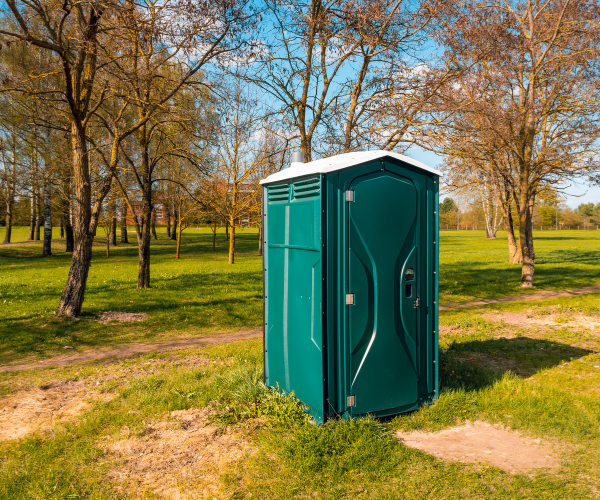
Portable toilets offer significant eco-friendly advantages, standing as a green alternative to traditional restroom facilities that contribute to reducing environmental impact. Firstly, they utilize less water, as flushing is either minimal or non-existent, depending on the model. This conservation of water is crucial, especially in regions facing water scarcity issues, ultimately playing a part in global water conservation efforts. Additionally, portable toilets prevent the need for building permanent structures which can cause soil disruption and long-term damage to natural habitats. The temporary nature ensures minimal impact on the environment.Moreover, portable toilet companies often adhere to strict waste management practices, ensuring that waste is disposed of responsibly and safely. The waste is usually collected regularly and processed in specialized facilities, reflecting a commitment to hygienic and responsible sanitation solutions. When cleaner bio-fluids are used as opposed to harsh chemicals, emissions and pollution are greatly reduced, further enhancing the eco-friendly aspect.Moreover, the modern designs of portable toilets often include innovative features like solar lighting, hands-free washing stations, and biodegradable deodorizers, which further reduce their carbon footprint. Through these innovations, portable toilets become not just a convenient sanitation solution, but a forward-thinking one that aligns with sustainability goals.For event organizers and businesses, using portable toilets can support eco-certifications and environmentally conscious initiatives. With easy setup and removal, they ensure that areas remain pristine post-event with zero lingering environmental impact. Overall, portable toilets are an essential asset in maintaining hygiene while promoting environmental sustainability.
Portable Toilet Rentals in Waynesville, North Carolina
Call today for a free quote (828) 576-3285
Portable Toilet
Fast, Easy, & 100% Free To Get Started
Over 10 Years Of Excellence
Our family-owned company, with over a decade of experience, proudly serves the Waynesville community by providing quality Portable Toilet services. We emphasize excellence and foster strong local ties, demonstrating our unwavering commitment to customer satisfaction.
Unmatched Quality Service
Our portable toilet rental service is synonymous with cleanliness and reliability. We are committed to providing our clients with superior service, ensuring customer satisfaction by maintaining high standards and consistent quality across all rental experiences.
Rapid Response Delivery
We understand the importance of promptness, offering fast delivery services tailored to meet your specific needs. Our dependable team guarantees timely setups, making us the preferred choice for quick and efficient portable restroom solutions.
Convenient Portable Toilet Rentals in Waynesville
Call for a Free Quote Today
(828) 576-3285
Located in the heart of Waynesville, our portable toilet rental company is committed to providing clean and reliable services for a wide range of events and locations. Whether you're coordinating a construction site, festival, party, or wedding, you can trust our locally-owned business to deliver dependable and efficient solutions. We pride ourselves on being a reliable partner for both the Waynesville community and its neighboring areas, ensuring our units are meticulously maintained. Our experienced team understands the importance of timely delivery and setup, making us the preferred choice for any occasion. Trust in our commitment to outstanding service as we bring quality and convenience directly to you.
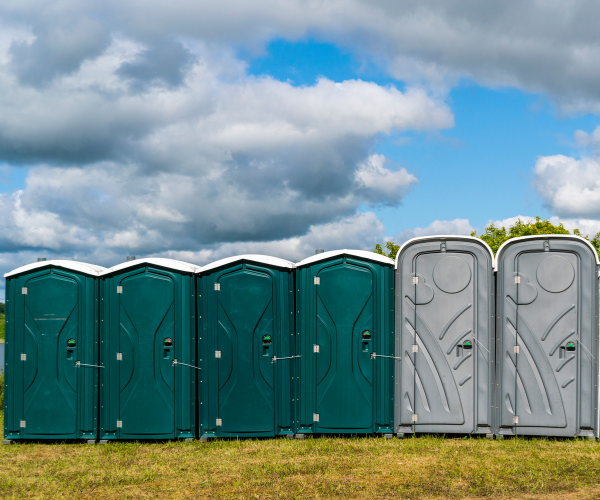
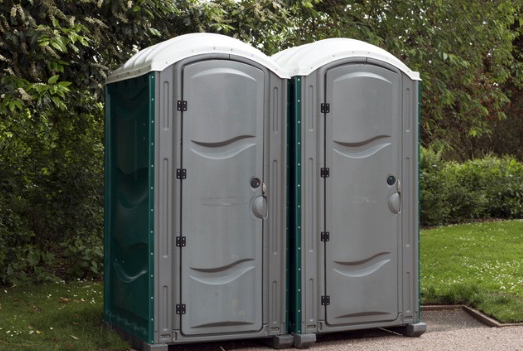
Our standard porta john rental units are durable and reliable for any commercial build site, housing development, public works project, or remodel job.Features include dome lighting, grated floors, and an “In-Use” locking mechanism for privacy and comfort. Regularly maintained, inspected, and cleaned by FusionSite at your location.
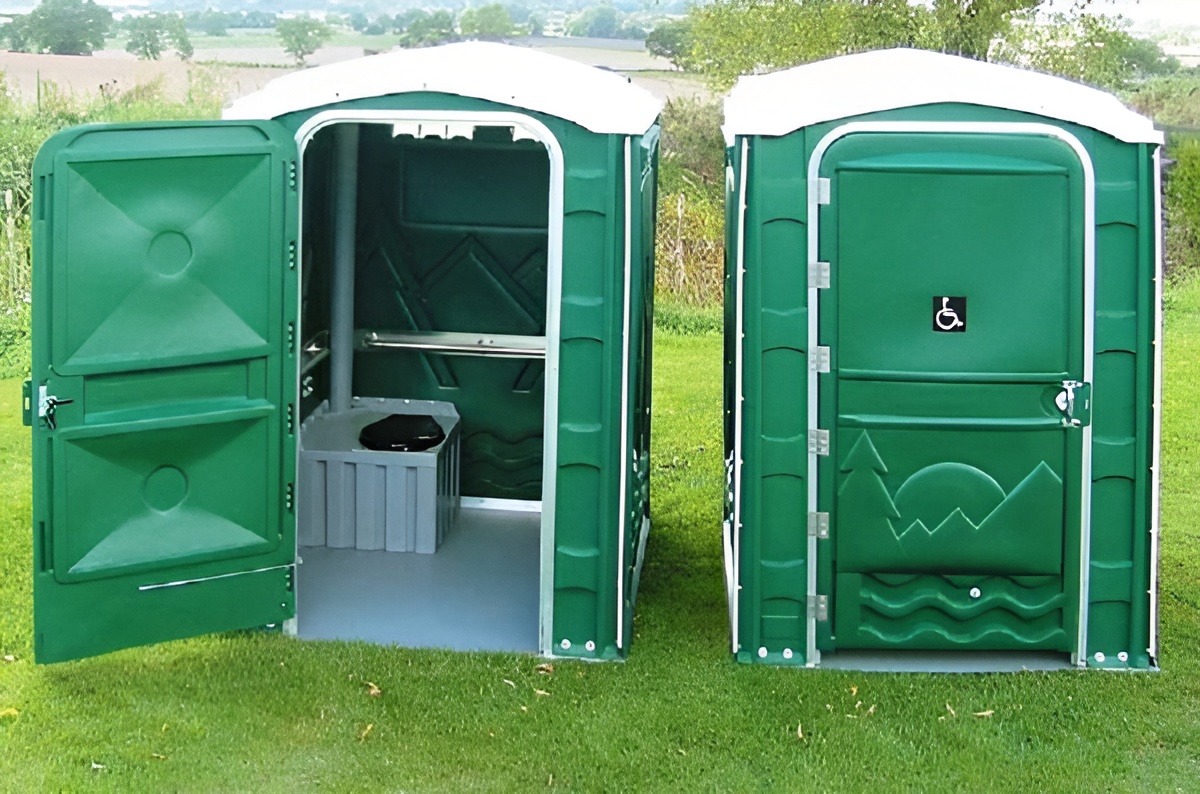
Developed as an alternative to full ADA-compliant restrooms, the Liberty is a spacious, wheelchair-accessible unit that can also be promoted as a family-sized restroom. Includes a patented flat-floor system for easy wheelchair access and maneuverability.Handrails, paper holder, and rotary latch are designed for simple, intuitive end-user operation.
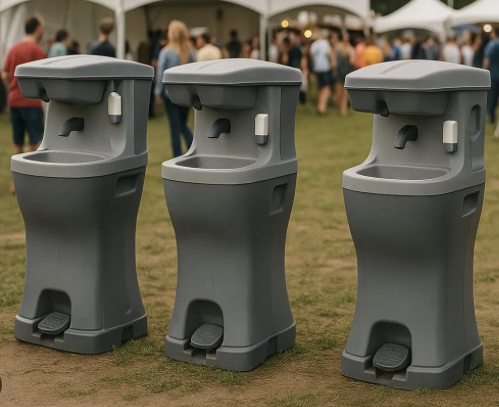
Portable hand washing stations are essential for keeping your work site sanitary and clean. Features hands-free foot pumps, liquid soap, and paper towels.Perfect for job sites without water hookups, these units can handle hundreds of washes between services.
We Proudly Serve
Standard Portable Toilets
Our standard portable toilets provide clean and basic sanitation solutions across Waynesville with Griffin Waste.
High Rise Portable Toilets
Our high rise portable toilets in Waynesville ensure sanitation needs are met at elevated settings safely and efficiently.
Restroom Trailers
Griffin Waste's restroom trailers in Waynesville blend luxury and convenience, perfect for upscale events.
Roll off Dumpsters
Griffin Waste offers robust roll-off dumpsters in Waynesville, ideal for efficient waste management.
Septic Tank Cleaning
Our septic tank cleaning services at Griffin Waste in North Carolina ensure optimal system functionality.
Grease Trap Cleaning
Griffin Waste in Waynesville delivers reliable grease trap cleaning for pristine kitchen environments.
Fencing & Barricades
Fencing and barricades from Griffin Waste provide dependable site security solutions throughout North Carolina.
Residential Storage
Griffin Waste offers secure residential storage solutions in Waynesville, North Carolina.
Waynesville Portable Toilets and More
Our portable toilet rental process is designed to be both simple and convenient. Getting a quote is a hassle-free experience, with easy-to-navigate forms on our website and the option to click 'Get A Quote' buttons scattered across the page to make your inquiry. Upon receiving your request, we provide a comprehensive and transparent breakdown of the costs and services available, ensuring you are well-informed and confident in your choice. Delivery times are coordinated to be as efficient and effective as possible, prioritizing your schedule and any specific requirements you might have for your event or project.As a local business rooted in Waynesville, we understand the unique sanitation needs of our community. Our dedicated team works closely with each client to customize our services, providing portable toilets suitable for everything from small private events to large-scale festivals. Our commitment to cleanliness and ride quality reassures clients that their guests will have access to a superior, sanitary experience.Whether you're planning a wedding, construction project, or public gathering, our portable toilets are there to meet your every need. Our highly experienced staff prioritize customer satisfaction and are always on hand to address any questions or additional requests, ensuring that every aspect of your rental is managed with care.
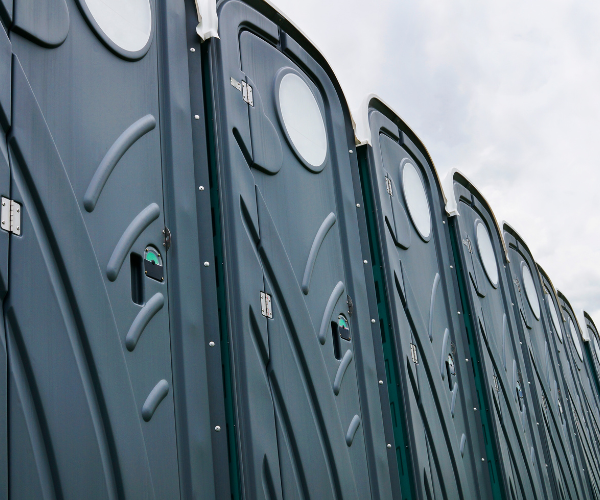
Nestled against the backdrop of Waynesville's picturesque landscapes, our portable toilet services add to the unique charm of this captivating locality. Whether you're hosting an event near the famous Great Smoky Mountains or attending the renowned Church Street Art & Craft Show, our services seamlessly blend with the town's enchanting atmosphere. Community gatherings, whether at popular festivals or bustling outdoor markets, are elevated by our clean and reliable facilities, ensuring comfort and convenience for all attendees. Our unwavering commitment to quality sets us apart as the premier choice for portable toilet rentals in Waynesville. With our hygienic solutions, event organizers can concentrate on the captivating nature of their events while leaving sanitation logistics to us, guaranteeing a seamless and worry-free experience for guests.
Unmatched Service in Waynesville: What makes us the preferred choice in Waynesville is our deep-seated commitment to excellence and understanding of local needs. With each engagement, we bring not only expert guidance but also a genuine care for community welfare.Dedicated to Your Satisfaction: Striving to provide top-notch services, we make cleanliness and customer service our highest priorities. From small gatherings to large festivals, our portable toilets are meticulously maintained, making us Waynesville's trusted partner for all sanitation needs.
Swift and Reliable Solutions: Time is crucial when it comes to sanitation services, which is why we emphasize speed without compromising quality. Our established systems allow us to meet tight schedules and provide seamless setups for both planned and last-minute needs.Dependability You Can Count On: Our team is equipped to deliver prompt and professional service, instilling confidence in the reliability of our offerings. Whether you're planning a short-term project or a long-duration event, rest assured knowing that your needs are being attended to with precision and care.
Discover Waynesville's Portable Toilet Services
Renting a portable toilet in Waynesville is a straightforward and streamlined process. Our website features easy-to-use forms located at the top and bottom of each page to assist you in making a rental inquiry smoothly. Simply fill in your first name, last name, phone number, and email to get started. After submitting the form, one of our representatives will quickly reach out to provide you with a detailed quote and additional information pertinent to your needs.Additionally, as you browse, you'll find 'Get A Quote' buttons placed throughout the site. By clicking on these buttons, you can instantly express your interest in a rental, and our team will promptly assess your requirements and provide guidance through the subsequent steps. We believe in transparency, so rest assured you will receive a full breakdown of services and no hidden fees.Our approach is designed to be client-focused, making the rental process as convenient and user-friendly as possible. For on-site visits or personal consultations, do not hesitate to contact us directly through our provided phone number or email address. As we understand that each event is unique, we are always on hand to offer custom solutions tailored precisely to fulfill your specific requirements and timelines.
The delivery timeframe for portable toilet orders can vary depending on the specific requirements of the rental and the event's location, but we aim to assure our customers of a prompt and timely service. Typically, standard orders placed well in advance allow us to coordinate and schedule a delivery that suits your convenience. For most events and projects within Waynesville, you can expect delivery as soon as the next business day.If you require immediate service, we offer expedited options to address last-minute needs or emergency situations. Our dedicated team will work closely with you to ensure a swift response, aiming to meet your timetable and minimize any potential disruptions to your event or construction site. Despite the expedited process, you can be confident in the quality and cleanliness of the portable toilets delivered.Discussing delivery timeframes with our customer service representatives when placing your order will help provide clarity and set expectations. We also advise specifying any special access instructions or logistics considerations to ensure smooth delivery. Trust that with our experienced logistics team, your needs will be a priority, ensuring that our sanitation solutions are in place precisely when and where you need them.
Absolutely, we can cater to all types of events and construction services. Our setup is flexible to accommodate small private functions to large-scale public events, such as festivals, sporting events, as well as intimate settings like weddings and corporate meetings. We also cover more unique applications like family reunions and special gatherings needing specific sanitation solutions. In addition to standard porta potties, our offerings include luxury restroom trailers, roll-off dumpsters, holding tanks, ADA-compliant units, portable sinks, and hand sanitizer stations, ensuring that we have the right equipment for any setting. These options provide assurance that our units will meet venue specifications while providing comfort and convenience.Whether your requirement is for short-term projects or ongoing site needs, we deliver customized services that compliment your event setup and operational guidelines. Experience peace of mind knowing our professional team will handle the logistics, installation, and maintenance, allowing you to focus on the success of your event or project without sanitation worries.